Meniscus Tear Treatment Sebring, Florida Palm Beach Regenerative Orthopedics

If your knee suddenly started catching, swelling, or hurting when you turn, squat, or get up from a chair, it makes sense to start searching for meniscus tear treatment sebring, florida palm beach regenerative orthopedics. A meniscus tear can make ordinary movement feel unreliable. Some people notice a pop during sports or exercise. Others feel symptoms build more gradually over time, especially when the tissue has already started to wear down. Either way, the question is usually the same: what is actually wrong with the knee, and what can be done without rushing into the wrong treatment?

At Palm Beach Regenerative Orthopedics, the goal is to help patients in Sebring understand what their symptoms may mean and what next-step options fit the real problem. A torn meniscus is one of the most common knee injuries, but not every case behaves the same way. The right care plan depends on where the tear is, how severe the symptoms are, whether the knee is locking or giving way, and what you need the knee to do in daily life.

Orthopedic Care for Meniscus Tears in Sebring, Florida

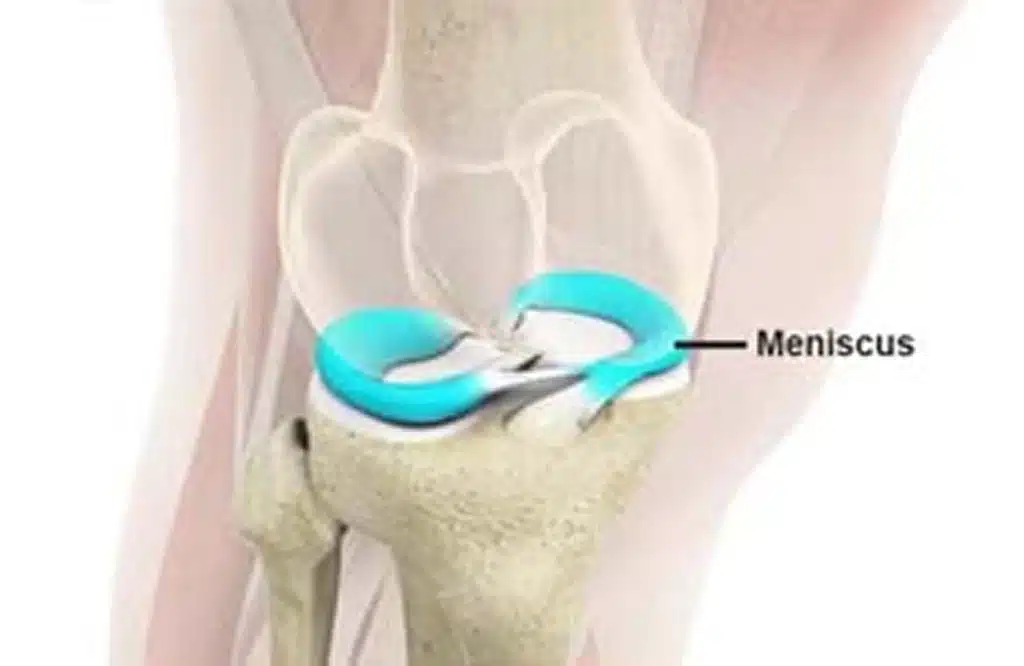
The meniscus is a wedge-shaped piece of cartilage that helps cushion the knee joint. Each knee has two menisci, and they play an important role in load distribution, shock absorption, and stability. According to AAOS, meniscus tears are among the most common knee injuries. Some happen during a twist, pivot, or cutting movement. Others happen more gradually as the tissue becomes more fragile with age.

That difference matters because meniscus symptoms are not limited to athletes. In Sebring, one person may notice pain after stepping awkwardly getting out of a truck. Another may feel it after yard work, golf, pickleball, or a weekend project. Someone else may not remember one clear injury at all, only that the knee has become swollen, stiff, and harder to trust.

Common symptoms can include:

  • pain along the joint line
  • stiffness or swelling
  • catching or locking sensations
  • pain with squatting or twisting
  • the feeling that the knee may give way
  • reduced range of motion

Not every painful knee is a meniscus tear, but these patterns are common enough that they deserve a real evaluation instead of guesswork.

Why the same diagnosis can feel very different from person to person

One reason meniscus tear treatment Sebring FL is not a one-size-fits-all conversation is that the same broad diagnosis can show up in very different ways. A younger patient may injure the knee during a fast rotational movement and feel sharp pain right away. An older patient may have a degenerative tear that develops in already worn cartilage and starts as a dull ache that slowly becomes more limiting.

Some tears create swelling and soreness but do not stop a person from walking. Others cause repeated catching, a clunking feeling, or a knee that refuses to straighten comfortably. Some improve with conservative care. Others remain stubborn because the torn tissue keeps getting pinched during normal movement.

This is also why reading a scan result online can create confusion. Seeing the words meniscus tear does not automatically tell you whether surgery is necessary, whether the tear is the main pain source, or whether the knee can improve with non-surgical treatment first. Clinical context matters.

What an orthopedic evaluation is actually looking for

A useful knee evaluation is not just about confirming that something hurts. It is about sorting the symptom pattern carefully enough to decide what should happen next. AAOS notes that clinicians often look for joint line tenderness and may use exam maneuvers such as the McMurray test to assess whether a meniscus tear is likely.

In real practice, the bigger picture matters too. Questions often include:

  • Where exactly is the pain located?
  • Did symptoms start with one moment or build over time?
  • Is the knee swelling regularly?
  • Is there true locking, or just pain with bending?
  • Does the knee feel unstable?
  • Are stairs, turning, or squatting the worst triggers?
  • Is the bigger issue sports, work, or simply getting through normal daily life?

Imaging may be part of that process. X-rays can help rule out or identify arthritis and other bony problems. MRI is often the preferred imaging method when an acute meniscus tear needs closer evaluation because it shows the soft tissues more clearly. But imaging works best when it is paired with the actual story the knee is telling.

Why some tears calm down and others keep flaring up

The meniscus does not have equal healing potential throughout the whole structure. AAOS explains that the outer part has a better blood supply, while the inner portion has much less. That means the location of the tear matters when deciding whether the tissue may heal, whether symptoms might improve with conservative care, and whether surgery is even worth discussing.

This helps explain why some patients respond well to activity modification, swelling control, rehab, and time, while others keep getting stuck in the same cycle. They rest until the knee feels a little better, return to normal activity, twist again, and the pain returns. If the tissue keeps getting irritated in a poorly healing area, symptoms can linger.

That does not mean every persistent case needs surgery. It means persistent symptoms deserve a plan based on the tear pattern, the knee mechanics, and the patient’s real functional goals.

Non-surgical meniscus tear treatment in Sebring FL

Many patients want to know whether they can improve without surgery, and in a lot of cases that is a reasonable question. AAOS notes that not every meniscus tear needs immediate surgery, especially if symptoms are not severe and the knee is not truly locking.

Non-surgical care may include:

  • relative rest from aggravating activity
  • ice and swelling management
  • short-term compression or bracing when appropriate
  • anti-inflammatory medication guidance when appropriate
  • structured rehabilitation and strengthening
  • movement modification to reduce repeated irritation
  • image-guided injection strategies in carefully selected cases

The goal is not to simply mask symptoms for a few days. It is to reduce irritation, restore strength, improve control around the knee, and see whether the joint can function more normally again.

For many people, the most important question is not Can I avoid surgery forever. It is Can I get back to walking, working, exercising, or caring for my home without the knee constantly reminding me it is injured. That is the more useful starting point.

Why rehab matters even when pain starts to settle

A common mistake after a knee flare is assuming the problem is solved as soon as pain drops a little. But a quieter knee is not always a fully recovered knee. If strength, balance, and movement control have fallen off during the painful phase, the joint may still be vulnerable when activity ramps back up.

That is why rehab matters. The focus is often on restoring range of motion, building quadriceps and hip strength, improving control during stepping and turning, and reducing the mechanics that keep overloading the painful area. For an active adult in Sebring, that may mean getting back to walking routines, golf, recreational sports, exercise classes, or long stretches on the feet with more confidence.

A strong rehab plan also helps reveal whether the knee is trending the right way. Some patients improve steadily once pain is controlled and strength work begins. Others continue to have catching, recurrent swelling, or painful mechanical symptoms even when they are doing the right things. That difference can help guide the next step.

When surgery becomes part of the conversation

Surgery is usually not the first thing people want to hear, and that is understandable. But there are cases where it becomes part of a practical conversation. AAOS describes arthroscopic treatment options such as partial meniscectomy and meniscus repair, with the decision depending on the type and location of the tear as well as the condition of the meniscus tissue overall.

The key point is that surgery is not a generic checkbox. Some tears may be trimmed. Some may be repairable. Some knees have a larger picture that includes cartilage wear, arthritis, or other structural changes that affect what kind of surgical discussion makes sense.

It is also important to be honest that recovery varies. A repair generally requires more healing time than trimming damaged tissue. That is one more reason why the right diagnosis and the right expectation-setting matter so much before anyone commits to a path.

What patients in Sebring usually want to know first

Most people are not asking for a lecture on cartilage anatomy. They are asking practical questions like:

  • Why does my knee keep catching?
  • Is this something I can walk through, or am I making it worse?
  • Do I need an MRI?
  • Is surgery likely, or can this calm down without it?
  • How long until I can move normally again?
  • What can I do right now that will actually help?

Those are good questions. They reflect what matters in real life. The point of care is not only to name the tear. It is to help you understand what the knee is doing, what the realistic options are, and how to move toward a safer, more reliable knee.

Why meniscus symptoms can overlap with other knee problems

Another reason evaluation matters is that several knee conditions can sound similar at first. Arthritis flares, ligament injuries, patellofemoral pain, loose bodies, tendon irritation, and cartilage injury can all create overlapping complaints. A person may describe pain, swelling, or a catching sensation, but the actual pain generator may not be obvious without an exam.

That is especially true when arthritis and a meniscus tear show up together. Imaging might reveal both, but treatment still has to focus on the real symptom driver. Sometimes the tear is the main issue. Sometimes the broader knee environment matters more.

This is where a patient-first orthopedic approach helps. Instead of chasing one scan term in isolation, the goal is to make sense of the whole knee and match treatment to how the symptoms behave in daily life.

How to think about the next step if your knee is not improving

If the knee is staying swollen, repeatedly catching, limiting work or activity, or making normal walking feel unreliable, it is worth getting assessed. The longer a person spends bouncing between rest, internet advice, random braces, and short-lived improvements, the easier it is to lose momentum and confidence.

The next step does not have to mean surgery. It can simply mean getting clarity. Once you know whether the pattern fits a meniscus tear, whether imaging is needed, and whether the knee looks more like a rehab case or a surgical discussion case, the path forward usually feels much less overwhelming.

Patricia Y. profile picture
Patricia Y.
20:07 07 Sep 24
I saw Dr Al-Rashid for a painful hip in 2023. I was at a point where I had to use my hands to “lift” my leg into the car because the pain was too intense to just lift it on its own. He said that I was a candidate for PRP (platelet rich plasma) injections because I still have cartilage. Although they are not (yet) covered by insurance, it was an investment in my comfort that I am very happy with. It has been over a year, I have no pain whatsoever and can carry out my normal routine, and increased my exercise. I highly recommend Dr Al-Rashid and the Atlantis Orthopedic Group in Palm Beach Gardens.
Susan K. profile picture
Susan K.
23:50 24 Aug 24
Wonderful caring doctor.Effecient and kind staff
Jeff L. profile picture
Jeff L.
13:31 21 Jun 24
My medical experience with Dr. AlRashid and his staff was sensational during my two total hip replacement surgeries. Their treatment and care is top-notch and I would highly recommend them for anyone who is looking for a professional and caring Orthopedics service!
miken profile picture
miken
22:00 04 Apr 24
Always outstanding! He did my wife’s hip a little over a year ago and the follow up was great. I need two knee replacements and went to him to look at them. I will start with the first one end of this month. The staff follow through as been excellent. The best news is he does surgery at Palms West Hospital.
Md R. profile picture
Md R.
16:22 29 Feb 24
I recently had the pleasure of being under the care of Dr. Al Rashid, and I can confidently say that my experience was nothing short of excellent. From the moment I walked into his office, I was greeted warmly by the staff, and the efficiency of the administrative process was impressive. Dr Al Rashid took time to listen attentively to my concerns and thoroughly explained the treatment options available to me. His dedication to providing personalized care was evident in every interaction I had with him. I wholeheartedly recommend Dr. Al Rashid to anyone in need of a skilled and compassionate Knee specialist.
Rodney E. profile picture
Rodney E.
09:22 22 Feb 24
My first time to the office all staff were professional and nice, showed me that they really cared about me. Dr. Alrashid really impressed me after doing research on him he demonstrated professionalism, skill and knowledge just from our first meeting. I feel confident he will get me back to where I need to be.
Aiden profile picture
Aiden
17:25 16 Nov 23
I had my right hip replaced by Dr. Rashid and he was excellent. The operation went smoothly. I didn't even feel the prosthetic when I woke up from surgery.

Before all of this he was very careful and helpful, explaining everything in detail from beginning to end, even tried a few treatments before jumping into an operation.

(injections/pills/scans etc)

He explained the pros and con very well. His staff is excellent in the Loxahatchee and Lake Worth office. I'm very happy I found him. My leg feels superior than my normal leg and it's only been three weeks. The incision was tiny, and after seeing him three weeks after the operation (today), the prosthetic is perfectly in place. I barely have any pain other than wound aches from the muscle incision, which of course is healing every single day.

I no longer feel any electrical surges on my leg, spasms, or the leg not waking up when I'm in a sitting position or sleeping. Literally feels perfect. I have nothing negative to say, would definitely recommend him to everybody. I like the fact that he was very detailed with everything from beginning to end.

He takes his job very seriously well being relatable and is not the type of doctor that jumps into an instant operation, unless absolutely needed, which is positive.

Conclusion

A meniscus tear can make the knee feel unstable, stiff, and frustratingly unpredictable, but the right treatment starts with understanding the actual pattern of the injury. Meniscus tear treatment Sebring FL should focus on accurate diagnosis, symptom behavior, mechanical issues, and the treatment path that best matches your goals. For some patients, that means conservative care and rehabilitation. For others, it means a more advanced conversation about imaging or arthroscopic treatment.

If your knee keeps catching, swelling, or limiting the way you move, meniscus tear treatment sebring, florida palm beach regenerative orthopedics can help you sort out what may be going on and what next-step options make the most sense.

Some tears can improve with conservative care, especially when symptoms are manageable and the tear pattern is favorable. The answer depends on the location of the tear, the symptom pattern, and how the knee responds to treatment.

Not always. MRI is often helpful when the diagnosis is unclear or when treatment decisions depend on seeing the soft tissues in more detail, but it is usually part of a bigger clinical evaluation rather than the only factor.

Catching can suggest that torn tissue is interfering with motion, but other knee problems can also create similar sensations. A proper exam helps sort out what is actually causing it.

Persistent swelling, repeated locking, loss of motion, or a knee that feels unreliable are all good reasons to get assessed sooner rather than later.

Location
&
Directions

Palm Beach Regenerative Orthopedics

Palm Beach Regenerative Orthopedics provides advanced, physician-led pain management care in Sebring, Florida. Under the leadership of board-certified orthopedic surgeon Dr. Mamun Alrashid, the practice focuses on regenerative therapies designed to relieve pain, restore mobility, and support lasting joint health.