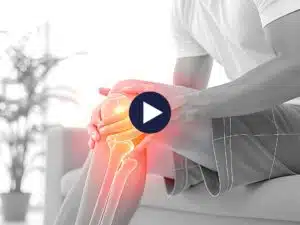

Joint pain is one of the most common reasons patients seek orthopedic care in Palm Beach County. In my clinical practice treating patients from Wellington and surrounding Palm Beach communities, I frequently evaluate individuals experiencing chronic joint pain, joint stiffness, joint swelling, and reduced range of motion that interfere with daily activities such as walking, golfing, tennis, or equestrian sports.
Joint pain can arise from many causes, including arthritis, osteoarthritis, rheumatoid arthritis, joint injuries, gout, bursitis, tendinitis, cartilage degeneration, and joint instability. Effective joint pain management begins with a careful medical evaluation and a treatment plan tailored to the specific diagnosis, severity of symptoms, and the patient’s overall health.
This page explains how orthopedic physicians diagnose joint conditions, what non-surgical treatments may help, and when joint replacement surgery may be appropriate.
Common Causes of Joint Pain
Joint pain often develops gradually, but in some cases it may follow a specific injury. Some of the most frequent conditions we diagnose include:
Arthritis
Arthritis is a broad term describing inflammation in a joint. Symptoms often include joint inflammation, swelling, stiffness, and chronic pain.
Osteoarthritis
Osteoarthritis is the most common form of arthritis. It occurs when cartilage degeneration causes the protective cushioning in a joint to wear down over time. This condition frequently affects the knees, hips, shoulders, and hands.
Rheumatoid Arthritis
Rheumatoid arthritis is an autoimmune condition in which the body’s immune system attacks the joint lining, causing persistent inflammation and progressive damage if untreated.
Other Conditions
Joint pain may also result from:
- Joint injury from sports or accidents
- Gout, an inflammatory arthritis caused by uric acid crystals
- Bursitis, inflammation of the fluid-filled sacs around joints
- Tendinitis, inflammation of tendons near joints
- Joint instability after ligament damage
- Reduced range of motion from stiffness or structural damage
Because symptoms often overlap, medical diagnosis before treatment is essential.
How Joint Pain Is Diagnosed
A board-certified physician evaluation typically includes a detailed history, physical examination, and diagnostic testing when appropriate.
Imaging Studies
Orthopedic specialists commonly use imaging to understand joint structure and soft tissues.
Joint pain may also result from:
- Bone alignment
- Joint space narrowing
- Signs of osteoarthritis
- Bone spurs or fractures
Diagnostic Procedures
Joint pain may also result from:
- Joint aspiration (arthrocentesis) — removal of synovial fluid from the joint to evaluate infection, gout, or inflammatory arthritis
- Blood tests for inflammation — used when conditions such as rheumatoid arthritis are suspected
These diagnostic steps help ensure the treatment plan addresses the underlying cause of joint symptoms rather than just masking pain.
Non-Surgical Joint Pain Management
For many patients, symptoms can be managed without surgery. Treatment often involves combining several approaches depending on the condition.
Physical Therapy for Joint Pain
Physical therapy for joint pain is one of the most effective conservative treatments. A structured rehabilitation program can:
- Improve joint stability
- Strengthen supporting muscles
- Increase flexibility
- Reduce stiffness and inflammation
Therapy often includes exercise therapy programs designed specifically for the affected joint.
Weight Management Therapy
For weight-bearing joints such as the knee and hip, weight management therapy can significantly reduce stress on the joint surface. Even modest weight reduction can improve pain and mobility in patients with osteoarthritis.
Pain Management Medication Therapy
Medication may be used carefully as part of treatment. Examples include:
- Anti-inflammatory medications
- Short-term pain relief medications
- Disease-modifying drugs in inflammatory arthritis
Therapy often includes exercise therapy programs designed specifically for the affected joint.
Assistive Device Support
Medication may be used carefully as part of treatment. Examples include:
- Knee braces
- Orthotics
- Canes or walking supports
Therapy often includes exercise therapy programs designed specifically for the affected joint.
Board Certified Sports Medicine Physician in Wellington FL
Patient Centered Care You Can Trust
Dr. Mamun Alrashid Sports Medicine Physician Offers
Injection Therapies for Joint Pain
In certain cases, injection therapy can help control inflammation and improve symptoms.
Corticosteroid Joint Injections
Corticosteroid injections are commonly used to treat localized joint inflammation. These injections can:
- Reduce swelling
- Decrease pain
- Improve joint mobility for several weeks or months
However, corticosteroids are typically used sparingly, since repeated injections may affect cartilage health over time.
Hyaluronic Acid Injection
For some patients with knee osteoarthritis, a hyaluronic acid injection may help improve joint lubrication. Hyaluronic acid is a substance naturally found in joint fluid that helps the joint move smoothly.
Clinical response varies between patients, and these injections do not reverse structural damage.
Non-Surgical Arthritis Management
Many individuals with arthritis benefit from a comprehensive non-surgical arthritis management strategy that combines:
- Physical therapy
- Weight management
- Medication therapy


Before all of this he was very careful and helpful, explaining everything in detail from beginning to end, even tried a few treatments before jumping into an operation.
(injections/pills/scans etc)
He explained the pros and con very well. His staff is excellent in the Loxahatchee and Lake Worth office. I'm very happy I found him. My leg feels superior than my normal leg and it's only been three weeks. The incision was tiny, and after seeing him three weeks after the operation (today), the prosthetic is perfectly in place. I barely have any pain other than wound aches from the muscle incision, which of course is healing every single day.
I no longer feel any electrical surges on my leg, spasms, or the leg not waking up when I'm in a sitting position or sleeping. Literally feels perfect. I have nothing negative to say, would definitely recommend him to everybody. I like the fact that he was very detailed with everything from beginning to end.
He takes his job very seriously well being relatable and is not the type of doctor that jumps into an instant operation, unless absolutely needed, which is positive.

- Activity modification
- Occasional injection therapy
The goal is to maintain function, reduce inflammation, and slow symptom progression when possible.
When Joint Replacement Surgery May Be Considered
If conservative treatments no longer provide relief and joint damage is severe, joint replacement surgery may be discussed.
Joint replacement procedures are typically considered when:
- Pain significantly limits daily activities
- Imaging shows advanced joint damage
- Non-surgical treatments have been unsuccessful
- Mobility and quality of life are substantially reduced
Like all surgical procedures, joint replacement carries risks. A thorough surgical risk discussion should include:
- Infection risk
- Blood clots
- Implant wear over time
- Recovery and rehabilitation requirements
For appropriate candidates, surgery can restore mobility and reduce pain, but it is generally considered after non-surgical options have been explored.
Expert orthopedic care is just a click away. Book your consultation today.
Who May Be a Candidate for Non-Surgical Joint Pain Management
Many patients in Wellington seeking treatment for joint pain may benefit from conservative care if they:
- Have mild to moderate osteoarthritis
- Experience joint stiffness or swelling without severe structural damage
- Have tendinitis, bursitis, or early cartilage degeneration
- Want to delay or avoid surgery when possible
Patients Who May Need Surgical Evaluation
Surgical consultation may be appropriate when patients have:
- Severe joint destruction on imaging
- Advanced arthritis with persistent pain
- Significant joint instability
- Major functional limitation despite therapy
Risks, Limitations, and Expectations
It is important for patients to understand that joint pain management focuses on improving symptoms and function, but not all conditions can be completely reversed.
Possible limitations include:
- Severe joint destruction on imaging
- Advanced arthritis with persistent pain
- Significant joint instability
- Major functional limitation despite therapy
Frequently Asked Questions
What is the most common cause of joint pain?
The most common cause is osteoarthritis, a degenerative condition where cartilage gradually wears down, leading to joint stiffness, inflammation, and reduced range of motion.
When should I see a doctor for joint pain?
Medical evaluation is recommended if joint pain lasts more than a few weeks, causes swelling or stiffness, limits movement, or follows a joint injury.
Are corticosteroid injections safe?
Corticosteroid joint injections can be safe when used appropriately. They reduce inflammation but are typically limited in frequency because repeated injections may affect cartilage health.
Can physical therapy help arthritis?
Yes. Physical therapy for joint pain can improve muscle strength, joint stability, and flexibility, which may reduce pain and improve mobility.
What tests are used to diagnose joint pain?
Doctors often use X-ray imaging to evaluate joint structure and may order MRI scans, blood tests for inflammation, or joint aspiration (arthrocentesis) depending on the suspected condition.
When is joint replacement surgery necessary?
Joint replacement surgery may be recommended when advanced arthritis causes severe pain and functional limitations that do not improve with non-surgical treatments.
Contact Us!
Palm Beach Regenerative Orthopedics
- 3347 FL-7 suite 200, Wellington, FL 33449, United States