Sports and recreational activities are an important part of life for many residents of Wellington and the broader Palm Beach County community. From youth athletics and equestrian sports to recreational running and tennis, physical activity provides significant health benefits. However, participation also carries the risk of injury.
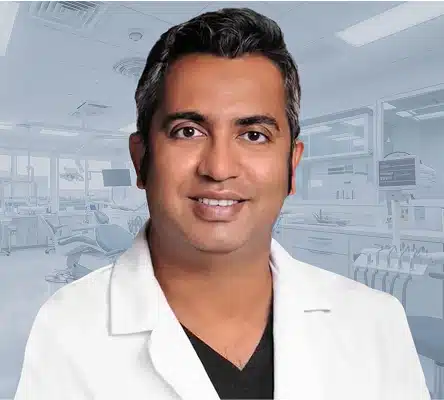
As a board-certified orthopedic physician, I regularly evaluate athletes and active individuals with a wide range of sports-related conditions. Effective sports injury treatment focuses on accurate diagnosis, safe recovery, and restoring function while minimizing the risk of further damage.
This page explains how sports injuries are evaluated and treated, including conservative care, rehabilitation strategies, and when surgical treatment may be appropriate.
Physician Evaluation for Sports Injuries
Proper treatment begins with a physician evaluation for sports injuries. During the initial visit, we review:
- The mechanism of injury
- Symptoms such as pain with movement, joint swelling, and inflammation
- Physical examination of joint stability and range of motion
- Functional limitations during activity
In some cases, imaging studies such as X-rays or MRI may be necessary to confirm the diagnosis.
Patients with complex injuries may also require an orthopedic surgeon consultation, particularly when there is concern for ligament rupture, cartilage injury, or bone fractures.
Common Sports Injuries We See
Sports injuries generally fall into two categories:
Traumatic Sports Injuries
These occur suddenly, often during contact or rapid movement.
Examples include:
- Bone fractures
- Joint dislocations
- Anterior cruciate ligament (ACL) tears
- Meniscus tears
- Severe sprains and strains
Symptoms often include:
- Immediate pain with movement
- Joint dislocations
- Bruising around the joint
- Reduced mobility
Overuse Injuries
Overuse injuries develop gradually from repetitive stress.
Common conditions include:
- Tendinitis (tendonitis)
- Shin splints
- Stress fractures
- Chronic ligament or muscle strain
Initial Injury Management: The R.I.C.E. Protocol
For many acute injuries, early care focuses on controlling swelling and protecting the injured area.
The widely used R.I.C.E. injury treatment protocol includes:
Rest
Temporary activity modification helps prevent additional tissue damage.
Ice therapy
Applying ice packs or cold therapy helps reduce inflammation and joint swelling during the first 24–48 hours.
Compression
An elastic compression bandage may help limit swelling and provide mild support.
Elevation
Elevation
Keeping the injured limb elevated encourages fluid drainage and swelling control.
An elastic compression bandage may help limit swelling and provide mild support.
Non-Surgical Treatment Options
Most sports injuries improve with conservative care.
Physical Therapy Rehabilitation
Physical therapy rehabilitation plays a central role in recovery.
Programs may include:
- Stretching and strengthening exercises
- Balance and stability training
- Gradual return-to-activity planning
Therapy helps restore range of motion, rebuild muscle strength, and reduce the risk of reinjury.
Activity Modification
Physical therapy rehabilitation plays a central role in recovery.
Examples include:
- Limiting high-impact training
- Cross-training during recovery
- Gradual return to sport
Corticosteroid Injection Therapy
In some cases, corticosteroid injection therapy may be considered for persistent inflammation, particularly with certain cases of tendonitis or joint irritation.
These injections are used cautiously and under medical supervision of medications, as they may not be appropriate for every patient.
Physical Therapy Rehabilitation
Some patients may be candidates for regenerative orthopedic techniques that aim to support tissue healing. These approaches may be considered for selected cases of tendon injury, ligament damage, or joint degeneration.
However, regenerative treatments are not appropriate for every injury and should always be discussed in detail with a physician.
Clear diagnosis and individualized care planning remain essential.
When Surgery May Be Necessary
While many injuries respond to conservative treatment, some conditions require surgical care.
Examples include:
Arthroscopic Surgery
Many procedures today are performed using arthroscopic surgery, a minimally invasive technique that uses small instruments and cameras inside the joint.
This approach may reduce recovery time compared with traditional open surgery.
Orthopedic Surgical Repair
In more severe cases, orthopedic surgical repair may be required to restore joint stability or repair damaged structures.
Surgical decisions are made carefully after discussing expected benefits, recovery timelines, and possible risks.
Risks and Limitations of Sports Injury Treatments
No treatment is without limitations.
Potential considerations include:
- Persistent pain or stiffness
- Delayed healing with certain injuries
- Risk of reinjury if returning to sports too soon
- Side effects from medications or injections
- Surgical risks such as infection or incomplete healing
Who May Need Immediate Medical Attention
Urgent evaluation is recommended when there is:
- Severe pain after injury
- Visible deformity suggesting joint dislocation
- Inability to bear weight
- Suspected bone fracture
- Significant swelling that worsens rapidly
Prompt diagnosis helps reduce the risk of long-term complications.
Frequently Asked Questions
What is the R.I.C.E. protocol for sports injuries?
The R.I.C.E. injury treatment protocol stands for rest, ice, compression, and elevation. It is commonly used in the early stages of injury to reduce swelling and control inflammation.
When should I see a doctor for a sports injury?
You should consider medical evaluation if you experience pain with movement, persistent joint swelling, inability to move the joint normally, or symptoms suggesting a fracture or ligament injury.
Are all sports injuries treated without surgery?
No. Many injuries such as sprains and strains improve with rest and rehabilitation, but severe conditions like ACL tears, unstable fractures, or major cartilage injuries may require surgical treatment.
Are all sports injuries treated without surgery?
No. Many injuries such as sprains and strains improve with rest and rehabilitation, but severe conditions like ACL tears, unstable fractures, or major cartilage injuries may require surgical treatment.
How long does recovery from a sports injury take?
Recovery time depends on the type and severity of injury. Minor soft-tissue injuries may improve within a few weeks, while ligament injuries or fractures may require several months of rehabilitation.
Can physical therapy help prevent future injuries?
Yes. Physical therapy rehabilitation and strengthening programs improve joint stability, muscle balance, and movement patterns, which can reduce the risk of future injuries.
Is ice or heat better for a sports injury?
Ice packs or cold therapy are generally recommended during the first 24–48 hours after an acute injury to reduce swelling. Heat therapy may be used later to help relax muscles and improve circulation.