If your knee suddenly started catching, swelling, or hurting when you turn, squat, or get up from a chair, it makes sense to start searching for meniscus tear treatment sebring, florida palm beach regenerative orthopedics. A meniscus tear can make ordinary movement feel unreliable. Some people notice a pop during sports or exercise. Others feel symptoms build more gradually over time, especially when the tissue has already started to wear down. Either way, the question is usually the same: what is actually wrong with the knee, and what can be done without rushing into the wrong treatment?
At Palm Beach Regenerative Orthopedics, the goal is to help patients in Sebring understand what their symptoms may mean and what next-step options fit the real problem. A torn meniscus is one of the most common knee injuries, but not every case behaves the same way. The right care plan depends on where the tear is, how severe the symptoms are, whether the knee is locking or giving way, and what you need the knee to do in daily life.
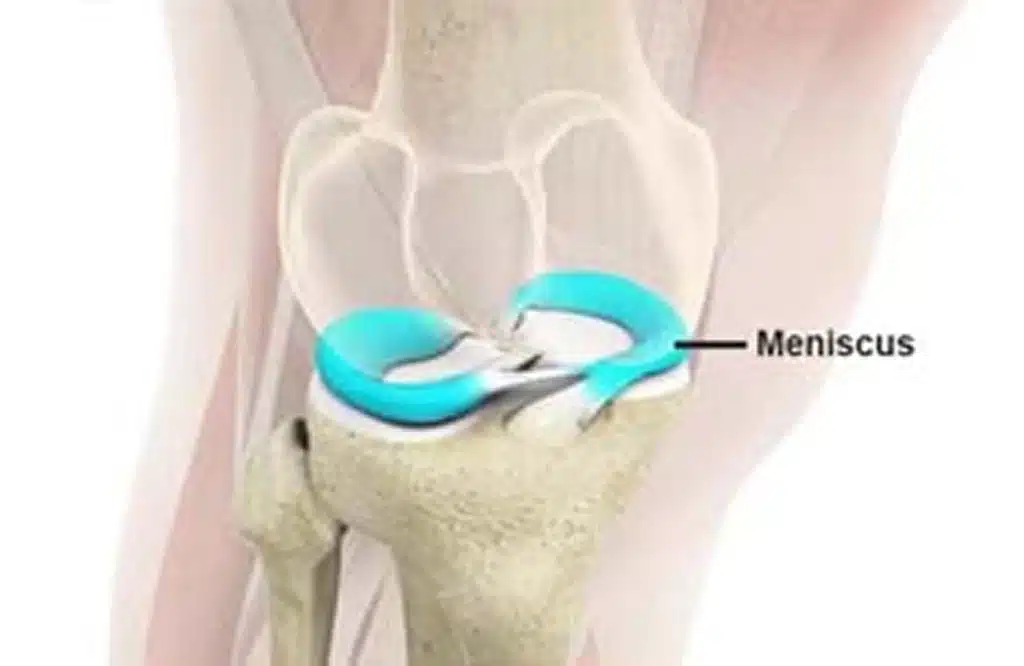
The meniscus is a wedge-shaped piece of cartilage that helps cushion the knee joint. Each knee has two menisci, and they play an important role in load distribution, shock absorption, and stability. According to AAOS, meniscus tears are among the most common knee injuries. Some happen during a twist, pivot, or cutting movement. Others happen more gradually as the tissue becomes more fragile with age.
That difference matters because meniscus symptoms are not limited to athletes. In Sebring, one person may notice pain after stepping awkwardly getting out of a truck. Another may feel it after yard work, golf, pickleball, or a weekend project. Someone else may not remember one clear injury at all, only that the knee has become swollen, stiff, and harder to trust.
Common symptoms can include:
Not every painful knee is a meniscus tear, but these patterns are common enough that they deserve a real evaluation instead of guesswork.
One reason meniscus tear treatment Sebring FL is not a one-size-fits-all conversation is that the same broad diagnosis can show up in very different ways. A younger patient may injure the knee during a fast rotational movement and feel sharp pain right away. An older patient may have a degenerative tear that develops in already worn cartilage and starts as a dull ache that slowly becomes more limiting.
Some tears create swelling and soreness but do not stop a person from walking. Others cause repeated catching, a clunking feeling, or a knee that refuses to straighten comfortably. Some improve with conservative care. Others remain stubborn because the torn tissue keeps getting pinched during normal movement.
This is also why reading a scan result online can create confusion. Seeing the words meniscus tear does not automatically tell you whether surgery is necessary, whether the tear is the main pain source, or whether the knee can improve with non-surgical treatment first. Clinical context matters.
A useful knee evaluation is not just about confirming that something hurts. It is about sorting the symptom pattern carefully enough to decide what should happen next. AAOS notes that clinicians often look for joint line tenderness and may use exam maneuvers such as the McMurray test to assess whether a meniscus tear is likely.
In real practice, the bigger picture matters too. Questions often include:
Imaging may be part of that process. X-rays can help rule out or identify arthritis and other bony problems. MRI is often the preferred imaging method when an acute meniscus tear needs closer evaluation because it shows the soft tissues more clearly. But imaging works best when it is paired with the actual story the knee is telling.
The meniscus does not have equal healing potential throughout the whole structure. AAOS explains that the outer part has a better blood supply, while the inner portion has much less. That means the location of the tear matters when deciding whether the tissue may heal, whether symptoms might improve with conservative care, and whether surgery is even worth discussing.
This helps explain why some patients respond well to activity modification, swelling control, rehab, and time, while others keep getting stuck in the same cycle. They rest until the knee feels a little better, return to normal activity, twist again, and the pain returns. If the tissue keeps getting irritated in a poorly healing area, symptoms can linger.
That does not mean every persistent case needs surgery. It means persistent symptoms deserve a plan based on the tear pattern, the knee mechanics, and the patient’s real functional goals.
Many patients want to know whether they can improve without surgery, and in a lot of cases that is a reasonable question. AAOS notes that not every meniscus tear needs immediate surgery, especially if symptoms are not severe and the knee is not truly locking.
Non-surgical care may include:
The goal is not to simply mask symptoms for a few days. It is to reduce irritation, restore strength, improve control around the knee, and see whether the joint can function more normally again.
For many people, the most important question is not Can I avoid surgery forever. It is Can I get back to walking, working, exercising, or caring for my home without the knee constantly reminding me it is injured. That is the more useful starting point.
A common mistake after a knee flare is assuming the problem is solved as soon as pain drops a little. But a quieter knee is not always a fully recovered knee. If strength, balance, and movement control have fallen off during the painful phase, the joint may still be vulnerable when activity ramps back up.
That is why rehab matters. The focus is often on restoring range of motion, building quadriceps and hip strength, improving control during stepping and turning, and reducing the mechanics that keep overloading the painful area. For an active adult in Sebring, that may mean getting back to walking routines, golf, recreational sports, exercise classes, or long stretches on the feet with more confidence.
A strong rehab plan also helps reveal whether the knee is trending the right way. Some patients improve steadily once pain is controlled and strength work begins. Others continue to have catching, recurrent swelling, or painful mechanical symptoms even when they are doing the right things. That difference can help guide the next step.
Surgery is usually not the first thing people want to hear, and that is understandable. But there are cases where it becomes part of a practical conversation. AAOS describes arthroscopic treatment options such as partial meniscectomy and meniscus repair, with the decision depending on the type and location of the tear as well as the condition of the meniscus tissue overall.
The key point is that surgery is not a generic checkbox. Some tears may be trimmed. Some may be repairable. Some knees have a larger picture that includes cartilage wear, arthritis, or other structural changes that affect what kind of surgical discussion makes sense.
It is also important to be honest that recovery varies. A repair generally requires more healing time than trimming damaged tissue. That is one more reason why the right diagnosis and the right expectation-setting matter so much before anyone commits to a path.
Most people are not asking for a lecture on cartilage anatomy. They are asking practical questions like:
Those are good questions. They reflect what matters in real life. The point of care is not only to name the tear. It is to help you understand what the knee is doing, what the realistic options are, and how to move toward a safer, more reliable knee.
Another reason evaluation matters is that several knee conditions can sound similar at first. Arthritis flares, ligament injuries, patellofemoral pain, loose bodies, tendon irritation, and cartilage injury can all create overlapping complaints. A person may describe pain, swelling, or a catching sensation, but the actual pain generator may not be obvious without an exam.
That is especially true when arthritis and a meniscus tear show up together. Imaging might reveal both, but treatment still has to focus on the real symptom driver. Sometimes the tear is the main issue. Sometimes the broader knee environment matters more.
This is where a patient-first orthopedic approach helps. Instead of chasing one scan term in isolation, the goal is to make sense of the whole knee and match treatment to how the symptoms behave in daily life.
If the knee is staying swollen, repeatedly catching, limiting work or activity, or making normal walking feel unreliable, it is worth getting assessed. The longer a person spends bouncing between rest, internet advice, random braces, and short-lived improvements, the easier it is to lose momentum and confidence.
The next step does not have to mean surgery. It can simply mean getting clarity. Once you know whether the pattern fits a meniscus tear, whether imaging is needed, and whether the knee looks more like a rehab case or a surgical discussion case, the path forward usually feels much less overwhelming.







A meniscus tear can make the knee feel unstable, stiff, and frustratingly unpredictable, but the right treatment starts with understanding the actual pattern of the injury. Meniscus tear treatment Sebring FL should focus on accurate diagnosis, symptom behavior, mechanical issues, and the treatment path that best matches your goals. For some patients, that means conservative care and rehabilitation. For others, it means a more advanced conversation about imaging or arthroscopic treatment.
If your knee keeps catching, swelling, or limiting the way you move, meniscus tear treatment sebring, florida palm beach regenerative orthopedics can help you sort out what may be going on and what next-step options make the most sense.
Some tears can improve with conservative care, especially when symptoms are manageable and the tear pattern is favorable. The answer depends on the location of the tear, the symptom pattern, and how the knee responds to treatment.
Not always. MRI is often helpful when the diagnosis is unclear or when treatment decisions depend on seeing the soft tissues in more detail, but it is usually part of a bigger clinical evaluation rather than the only factor.
Catching can suggest that torn tissue is interfering with motion, but other knee problems can also create similar sensations. A proper exam helps sort out what is actually causing it.
Persistent swelling, repeated locking, loss of motion, or a knee that feels unreliable are all good reasons to get assessed sooner rather than later.
Palm Beach Regenerative Orthopedics provides advanced, physician-led pain management care in Sebring, Florida. Under the leadership of board-certified orthopedic surgeon Dr. Mamun Alrashid, the practice focuses on regenerative therapies designed to relieve pain, restore mobility, and support lasting joint health.