


Persistent joint pain, tendon injuries, and early arthritis can quietly limit your ability to enjoy golf, tennis, boating, or even long walks along the Jupiter shoreline. Many patients want relief but hope to avoid surgery or long-term medication use. At our regenerative orthopedics clinic, we offer platelet rich plasma therapy in Jupiter, Florida, a minimally invasive treatment that uses your body’s own platelets to support tissue repair and reduce inflammation in carefully selected orthopedic conditions.
What Platelet Rich Plasma Therapy Involves
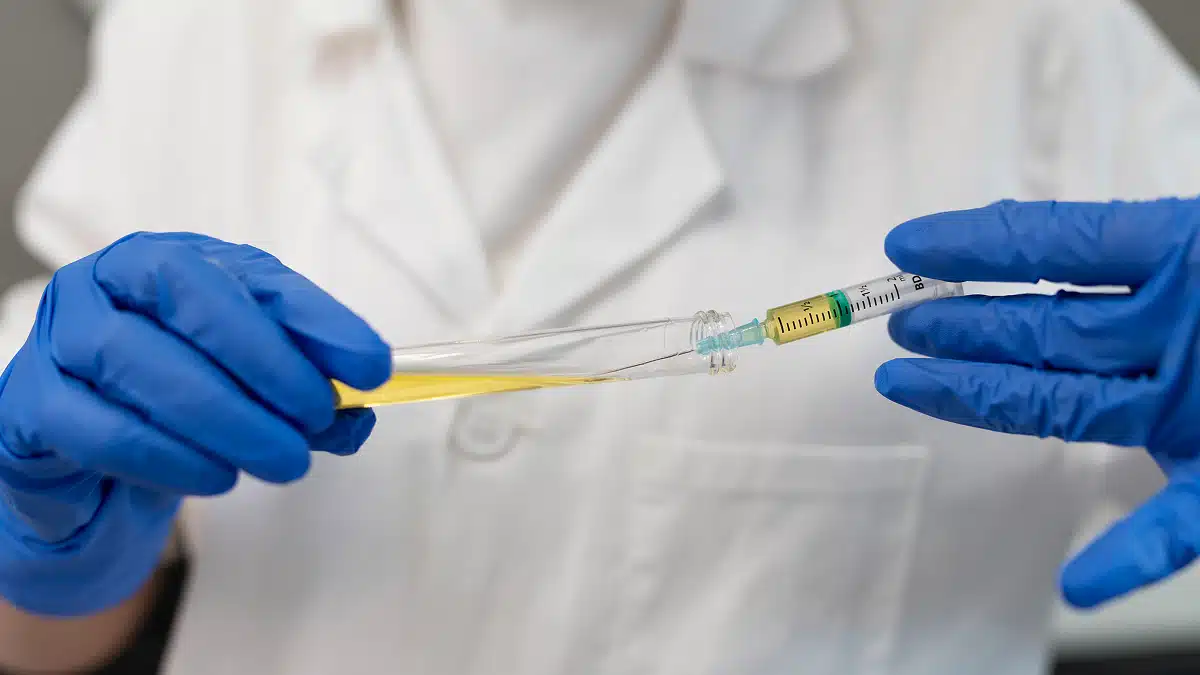
Platelet-rich plasma is created by drawing a small sample of your blood and processing it in a centrifuge to concentrate platelets and growth factors. These biologically active components are then precisely injected into the injured joint, tendon, or ligament under ultrasound guidance.
Platelets contain signaling proteins that may help stimulate healing in tissues with limited blood supply, such as:
- Rotator cuff tendons
- Elbow tendons (tennis elbow)
- Knee cartilage and ligaments
- Achilles tendon
- Mild to moderate osteoarthritis
In my clinical practice, I use image guidance for accuracy and tailor the preparation method depending on the condition being treated. Not all PRP formulations are identical, and technique matters significantly in orthopedic outcomes.
Conditions Commonly Treated in Jupiter Patients
In our active Jupiter community, platelet rich plasma therapy in Jupiter Florida is most often considered for:
- Early knee osteoarthritis
- Chronic tendon injuries not responding to physical therapy
- Partial ligament injuries
- Mild shoulder arthritis
- Plantar fasciitis
For many patients, PRP may reduce pain and improve function — though results vary and are not guaranteed.
Board Certified Sports Medicine Physician in Jupiter FL
Patient Centered Care You Can Trust
Dr. Mamun Alrashid Sports Medicine Physician Offers
Who May Be a Candidate?
PRP is generally considered for individuals who:
- Have mild to moderate joint degeneration
- Have chronic tendon pain lasting more than 3–6 months
- Have not improved sufficiently with rest, therapy, or medications
- Prefer to delay or potentially avoid surgery
- Are medically stable without bleeding disorders
For many patients, PRP may reduce pain and improve function — though results vary and are not guaranteed.
Who May Not Be an Ideal Candidate
PRP may not be appropriate for patients who:
- Have advanced “bone-on-bone” arthritis
- Have complete tendon ruptures requiring surgical repair
- Have active infections
- Have certain blood disorders or are on significant anticoagulation therapy
- Expect immediate or guaranteed results
I perform a detailed orthopedic evaluation, including imaging when appropriate, to determine suitability.
Who May Not Be an Ideal Candidate
PRP may not be appropriate for patients who:
- Have advanced “bone-on-bone” arthritis
- Have complete tendon ruptures requiring surgical repair
- Have active infections
- Have certain blood disorders or are on significant anticoagulation therapy
- Expect immediate or guaranteed results
In cases of advanced structural damage, surgical options such as joint replacement may offer more predictable relief.
Risks, Limitations, and Uncertainties
PRP is considered low risk because it uses your own blood. However, no medical procedure is without potential complications. These may include:
- Temporary increased pain after injection
- Swelling or stiffness
- Infection (rare)
- No meaningful improvement
Clinical studies show mixed results depending on the condition treated. PRP is not a cure for arthritis, nor does it regrow severely damaged cartilage. Its goal is to support the body’s natural repair processes and potentially slow progression in selected cases.
Insurance coverage varies, and PRP is often considered elective.
Expert orthopedic care is just a click away. Book your consultation today.
How PRP Compares to Other Treatments
When discussing platelet rich plasma therapy in Jupiter Florida with patients, I compare it thoughtfully to alternative treatment options:
Physical Therapy
Often the first-line treatment and sometimes sufficient alone.
Corticosteroid Injections
Provide short-term inflammation relief but may not promote tissue healing and are not ideal for repeated long-term use.
Hyaluronic Acid Injections
May improve joint lubrication in knee arthritis; effectiveness varies
Surgical Intervention
Procedures such as arthroscopy or joint replacement may be more appropriate in advanced cases. Surgery carries higher risk, longer recovery, and greater cost but may provide structural correction when regenerative treatments cannot.
PRP typically fits between conservative therapy and surgical intervention in the treatment spectrum.
My Clinical Perspective
As a board-certified orthopedic physician serving Jupiter County, I approach regenerative treatments carefully and ethically. PRP is not appropriate for every condition, but in properly selected patients, I have seen measurable improvement in pain reduction and function — particularly in early degenerative joint disease and chronic tendinopathy.
Every treatment plan is individualized. Age, activity level, imaging findings, biomechanics, and overall health all influence whether PRP is reasonable to consider.


Before all of this he was very careful and helpful, explaining everything in detail from beginning to end, even tried a few treatments before jumping into an operation.
(injections/pills/scans etc)
He explained the pros and con very well. His staff is excellent in the Loxahatchee and Lake Worth office. I'm very happy I found him. My leg feels superior than my normal leg and it's only been three weeks. The incision was tiny, and after seeing him three weeks after the operation (today), the prosthetic is perfectly in place. I barely have any pain other than wound aches from the muscle incision, which of course is healing every single day.
I no longer feel any electrical surges on my leg, spasms, or the leg not waking up when I'm in a sitting position or sleeping. Literally feels perfect. I have nothing negative to say, would definitely recommend him to everybody. I like the fact that he was very detailed with everything from beginning to end.
He takes his job very seriously well being relatable and is not the type of doctor that jumps into an instant operation, unless absolutely needed, which is positive.

Serving Jupiter with Evidence-Based Regenerative Orthopedics
Our clinic provides careful orthopedic evaluation and regenerative treatment planning for residents of Jupiter and surrounding communities. My focus is on medically appropriate, research-informed care — with clear communication about risks, benefits, and realistic expectations.
If you are considering Platelet Rich Plasma Therapy in Jupiter, a thorough consultation allows us to determine whether it aligns with your diagnosis and long-term joint health goals.
Frequently Asked Questions
Is PRP therapy painful?
Most patients experience mild to moderate discomfort during injection. Temporary soreness afterward is common and usually resolves within several days.
How long does it take to notice improvement?
Some patients report gradual improvement over several weeks. Tissue remodeling takes time, and results are not immediate.
How many injections are needed?
This depends on the condition and severity. Some patients benefit from a single injection; others may require a series.
Is PRP approved by the FDA?
In advanced arthritis, full cartilage regeneration is unlikely. Some patients experience symptom improvement, but structural reversal of severe degeneration has not been consistently demonstrated.
Can PRP prevent surgery?
In certain mild to moderate conditions, PRP may delay or reduce the need for surgery. In advanced structural damage, surgery may remain the more appropriate option.
Is PRP covered by insurance?
Many insurance plans consider PRP investigational and may not cover the cost. Our office can review your specific situation.
Contact Us!
Palm Beach Regenerative Orthopedics
- 210 Jupiter Lakes Suite 105, Building 4000 Jupiter, FL 33418