
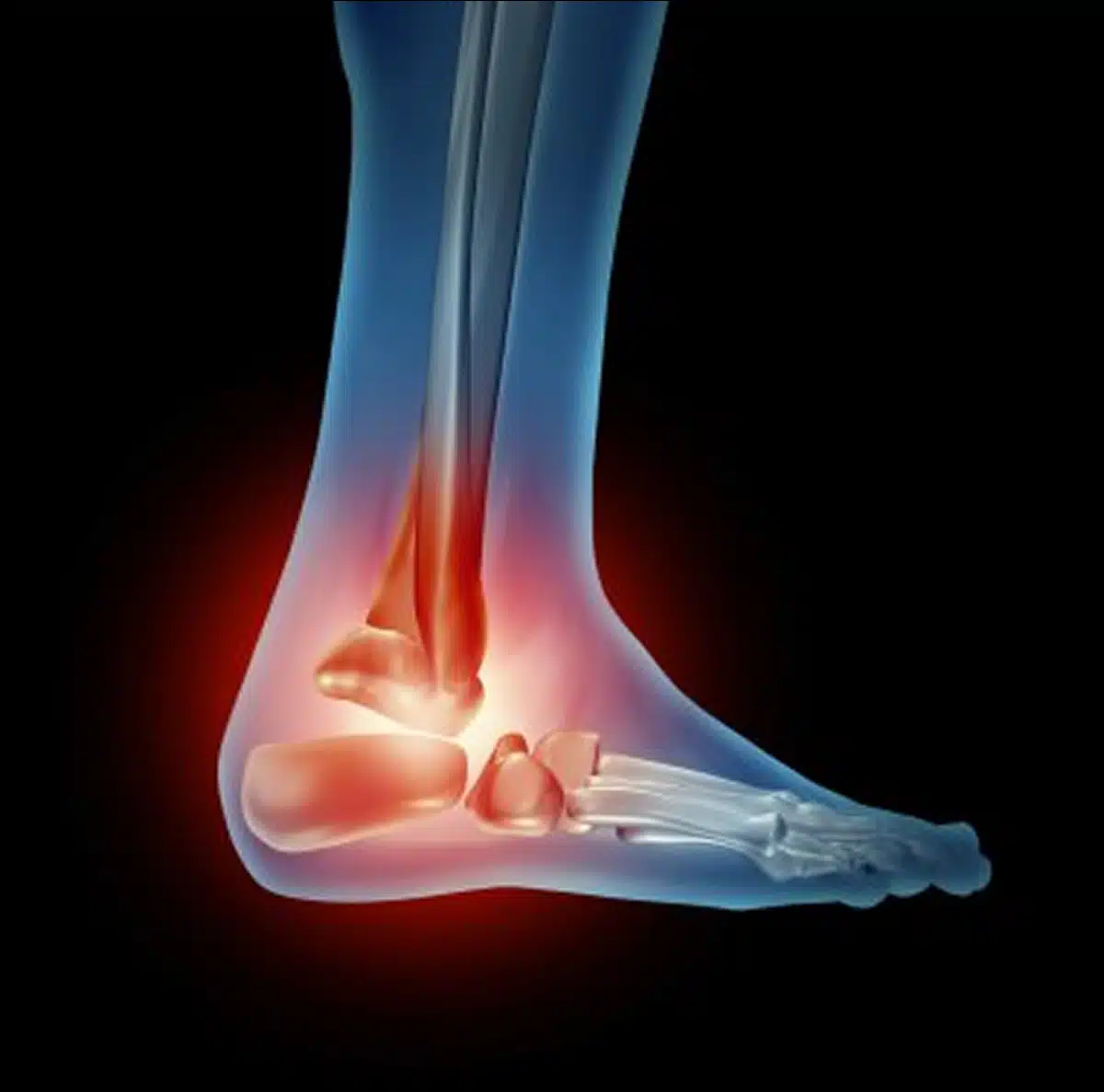

Many of my patients in Jupiter come to see me after weeks or months of heel pain, ankle swelling, tendon strain, or a lingering injury that simply has not healed. Whether it began during tennis, golf, long beach walks, or a simple misstep, untreated foot and ankle injuries can gradually affect balance, mobility, and overall quality of life. At Jupiter Regenerative Orthopedics, our foot and ankle injury treatment in Jupiter Florida focuses on precise diagnosis and evidence-based regenerative orthopedic options designed to support healing while helping patients avoid surgery when appropriate.
Conditions We Commonly Treat
In my clinical practice, the most frequent foot and ankle problems I evaluate include:
- Plantar fasciitis
- Achilles tendinitis
- Ankle sprain
- Ankle instability
- Stress fracture
- Tendonitis
- Osteoarthritis of the ankle or midfoot
Jupiter residents often maintain active lifestyles year-round. Golf at local courses, tennis clubs, boating, and walking along the Intracoastal or Worth Avenue all place repetitive load on the foot and ankle. Because of this, many patients eventually seek foot and ankle injury treatment in Jupiter Florida when persistent strain, overuse, or mild biomechanical imbalances begin to progress and are not addressed early.
My Clinical Approach to Diagnosis
Every treatment plan begins with a thorough orthopedic evaluation. I assess:
- Detailed injury history
- Foot alignment and gait mechanics
- Ligament stability
- Tendon integrity
- Imaging such as X-ray or MRI when medically indicated
Accurate diagnosis is essential. Heel pain, for example, is not always plantar fasciitis. Lateral ankle pain may reflect ligament injury, tendon pathology, or early arthritis. Misdiagnosis often leads to delayed recovery.
Board Certified Sports Medicine Physician in Jupiter FL
Patient Centered Care You Can Trust
Dr. Mamun Alrashid Sports Medicine Physician Offers
Regenerative Orthopedic Options for Foot and Ankle Injuries
When conservative measures such as rest, bracing, physical therapy, and activity modification have not provided sufficient relief, we may consider regenerative treatments including:
- Platelet-Rich Plasma
- Bone Marrow Aspirate Concentrate
These treatments use components derived from your own body to support the natural healing environment of injured tendons, ligaments, or joints.
In clinical practice, I most commonly consider PRP for chronic plantar fasciitis or Achilles tendinopathy that has failed structured therapy. BMAC may be discussed in select cases of cartilage injury or early ankle arthritis. Treatment decisions are individualized based on imaging findings, severity, age, activity level, and overall health.
It is important to understand that regenerative treatments aim to support tissue repair. They are not instant pain-relief injections, and outcomes vary among individuals.
Who May Be a Candidate?
You may be a candidate if you:
- Have persistent tendon, ligament, or mild-to-moderate joint injury
- Have not improved with appropriate conservative care
- Wish to consider a non-surgical option before operative intervention
- Are medically stable and able to follow post-procedure rehabilitation
Who May Not Be a Candidate
Regenerative treatment may not be appropriate if you:
- Have advanced joint collapse or severe deformity
- Have complete tendon rupture requiring surgical repair
- Have active infection
- Have significant uncontrolled medical conditions
- Are seeking immediate return to high-impact sports without rehabilitation
Comparison to Surgical Treatment
Surgery is sometimes necessary, particularly for:
- Complete ligament tears with instability
- Severe fractures
- Advanced ankle arthritis
- Failed prior conservative management
Procedures may include ligament reconstruction, tendon repair, fracture fixation, or ankle replacement.
Surgery carries risks such as infection, nerve injury, stiffness, blood clots, anesthesia complications, and prolonged recovery time. In contrast, regenerative procedures are minimally invasive and performed in-office. However, they do not replace surgery when structural correction is required.
In my experience treating Jupiter patients, careful patient selection determines whether regenerative care is appropriate or whether referral for surgical management is medically necessary.
Expert orthopedic care is just a click away. Book your consultation today.
Risks, Limitations, and Uncertainties
All medical procedures involve risk. With PRP or BMAC, potential risks include:
- Temporary increase in pain
- Swelling or stiffness
- Infection (rare)
- No improvement in symptoms
Clinical research on regenerative orthopedics continues to evolve. While evidence supports use in certain tendon and mild joint conditions, long-term data for some applications remain limited. No physician can ethically guarantee results.
Rehabilitation and Recovery
Recovery depends on the specific condition treated. Most patients require:
- Activity modification
- Structured physical therapy
- Gradual return to sport or recreation
Compliance with rehabilitation significantly influences outcome. In Jupiter’s active community, patience during recovery is often the most challenging but important component of successful foot and ankle injury treatment in Jupiter Florida.


Before all of this he was very careful and helpful, explaining everything in detail from beginning to end, even tried a few treatments before jumping into an operation.
(injections/pills/scans etc)
He explained the pros and con very well. His staff is excellent in the Loxahatchee and Lake Worth office. I'm very happy I found him. My leg feels superior than my normal leg and it's only been three weeks. The incision was tiny, and after seeing him three weeks after the operation (today), the prosthetic is perfectly in place. I barely have any pain other than wound aches from the muscle incision, which of course is healing every single day.
I no longer feel any electrical surges on my leg, spasms, or the leg not waking up when I'm in a sitting position or sleeping. Literally feels perfect. I have nothing negative to say, would definitely recommend him to everybody. I like the fact that he was very detailed with everything from beginning to end.
He takes his job very seriously well being relatable and is not the type of doctor that jumps into an instant operation, unless absolutely needed, which is positive.

A Physician’s Perspective for Jupiter Patients
As a board-certified orthopedic physician, my responsibility is to recommend treatments grounded in clinical evidence and tailored to your specific diagnosis. Jupiter residents value staying active — whether that means walking the beach at sunrise, enjoying tennis season, or playing a full round of golf without pain.
Foot and ankle injuries should not be ignored, but neither should they automatically lead to surgery. Careful evaluation allows us to determine the safest and most appropriate path forward for your long-term joint health.
Frequently Asked Questions
Is PRP safe for foot and ankle injuries?
PRP uses your own blood components, which reduces risk of allergic reaction. Infection and post-injection soreness are possible but uncommon when performed under sterile technique.
How long does it take to notice improvement?
Some patients report gradual improvement over several weeks. Tissue healing takes time, and results are not immediate.
Can regenerative treatment replace surgery?
In certain mild-to-moderate cases, it may delay or reduce the need for surgery. In advanced structural damage, surgery may remain necessary.
Does insurance cover regenerative treatments?
Many insurance plans consider PRP and BMAC investigational for certain indications. Coverage varies. We discuss financial considerations transparently before treatment.
Can I continue golfing or playing tennis during treatment?
Activity restrictions depend on the injury. Temporary modification is often necessary to protect healing tissue.
Are there age limits for treatment?
There is no strict age cutoff. Overall health, tissue quality, and severity of injury are more important factors than chronological age.