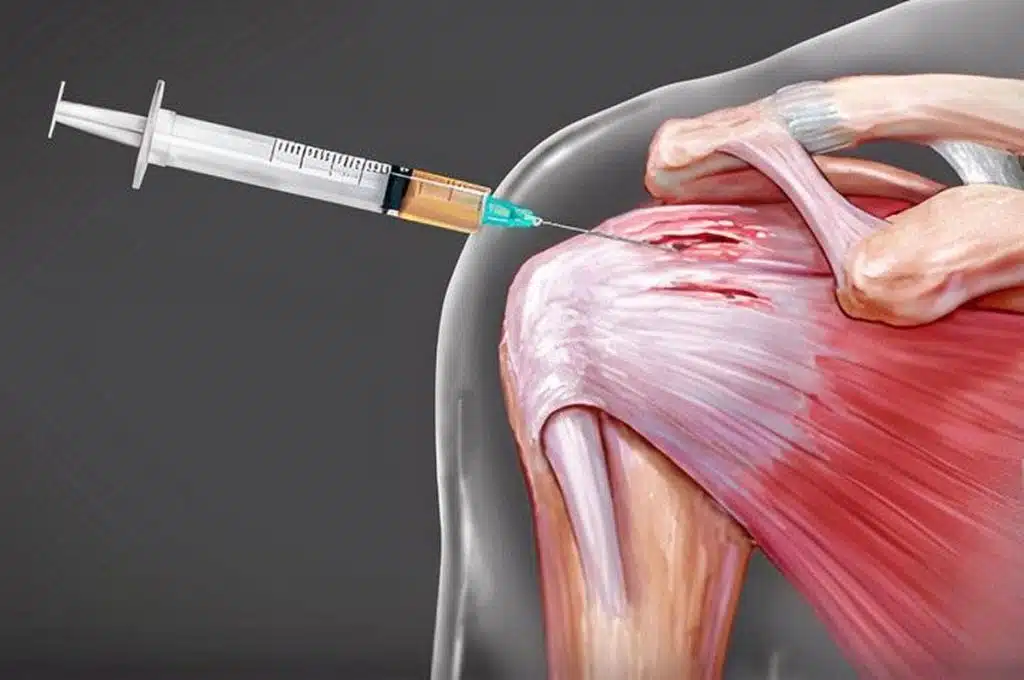
Shoulder pain has a way of shrinking normal life. Reaching into a cabinet, fastening a seat belt, putting on a shirt, sleeping on your side, swinging a golf club, lifting a suitcase, or pushing up from a chair can suddenly become a negotiation. Many Jupiter patients with rotator cuff tendinopathy are not looking for a dramatic medical adventure. They want to use their arm again without flinching, sleep better, and understand whether there is a non-surgical option that makes sense before the problem becomes bigger.
PRP, or platelet-rich plasma, is one of the most talked-about regenerative orthopedic options for tendon pain. It can sound appealing because it uses a patient’s own blood components and aims to support the body’s healing response. It can also be overmarketed. A good PRP conversation should be balanced: hopeful enough to explain why patients ask about it, honest enough to avoid promising a cure, and practical enough to help a real person decide what to do next.
The rotator cuff is a group of muscles and tendons that help center and move the shoulder. These tendons help lift the arm, rotate it, control overhead motion, and stabilize the ball-and-socket joint. Tendinopathy means the tendon is irritated, overloaded, degenerative, or struggling to tolerate normal demand. It does not always mean a full tear. It also does not mean the shoulder is permanently damaged.
Rotator cuff tendinopathy often develops gradually. A patient may notice pain reaching overhead, discomfort at night, weakness lifting away from the body, or a painful arc when raising the arm. Some feel a deep ache on the outside of the shoulder. Others feel pain that travels toward the upper arm. The shoulder may feel stiff in the morning and angry after activity. It may tolerate small movements but flare after repetitive reaching, yard work, gym presses, swimming, tennis, pickleball, or long hours at a desk.
One reason shoulder pain is frustrating is that imaging findings can be confusing. Many adults have tendon changes on ultrasound or MRI even when they are not in severe pain. A scan can show tendinosis, partial tearing, bursitis, or arthritis, but the treatment decision should still connect those findings with the exam and the patient’s symptoms. The goal is not to treat a picture. The goal is to treat the person attached to the shoulder.
Patients usually ask about PRP after they have tried the obvious steps. They may have rested, taken anti-inflammatory medication, completed physical therapy, changed workouts, received a cortisone injection, or simply waited for the shoulder to calm down. When pain persists, it is natural to look for something that might help the tendon recover without surgery.
PRP begins with a blood draw. The blood is processed to concentrate platelets in plasma. Platelets contain growth factors and signaling proteins involved in the body’s normal repair response. The PRP is then injected into or around the target tissue depending on the diagnosis and protocol. In rotator cuff tendinopathy, the intended goal is to influence the local tendon environment and support a healthier healing response.
That sounds straightforward, but the details matter. PRP preparations vary. Injection locations vary. Some products contain more white blood cells; others contain fewer. Some clinicians use ultrasound guidance; others may not. Some protocols use one injection; others use a series. Some studies focus on tendinopathy, while others focus on partial tears or surgical augmentation. Because of this variability, the phrase “PRP works” or “PRP does not work” is too simplistic.
PRP is not magic. It is not an instant numbing shot. It is not a guaranteed way to rebuild a damaged tendon. It is not automatically superior to rehabilitation, activity modification, or careful load management. It is also not a substitute for a correct diagnosis.
This matters because shoulder pain has many possible sources. Rotator cuff tendinopathy is common, but pain can also come from adhesive capsulitis, shoulder arthritis, biceps tendon irritation, labral problems, cervical nerve irritation, instability, calcific tendinitis, or referred pain. If the diagnosis is wrong, even a technically perfect PRP injection may disappoint.
A responsible regenerative orthopedic plan should start with a careful history, physical exam, and appropriate imaging. The clinician should identify the most likely pain generator, explain why PRP may or may not fit, and discuss alternatives. The best doctors do not sell PRP to every patient. They select it when the patient’s problem, goals, and tissue status make the option reasonable.
A patient with persistent rotator cuff tendinopathy may be a reasonable PRP candidate if symptoms have not improved enough with conservative care, the tendon is painful but not clearly beyond repair, and the patient wants a non-surgical option with realistic expectations. This may include someone who cannot sleep on the affected side, struggles with overhead activity, has pain during exercise, or wants to avoid repeated steroid injections.
The best candidate is usually willing to participate in the recovery plan. PRP may help the tendon environment, but the shoulder still needs appropriate loading. That means a staged return to strength, mobility, and activity. If the shoulder keeps being overloaded immediately after the injection, results may suffer. If the patient avoids all movement for too long, stiffness and weakness may become bigger problems.
Patients with a full-thickness traumatic tear, major weakness, severe arthritis, advanced stiffness, or nerve symptoms may need a different approach. PRP might still be discussed in selected cases, but it should not delay necessary care when surgery, targeted rehabilitation, or another diagnosis is more appropriate.

A good evaluation for PRP for rotator cuff tendinopathy in Jupiter should include more than a quick look at the painful spot. The clinician should ask when symptoms began, what movements hurt, what treatments have been tried, whether the pain wakes the patient at night, and what activities the patient wants to return to. They should examine range of motion, strength, painful arcs, impingement signs, neck contribution, shoulder blade control, and tenderness.
Imaging may include X-rays to check joint structure and arthritis. Ultrasound or MRI may help evaluate tendon quality, partial tearing, bursitis, or other soft-tissue findings. Imaging should be used to clarify the plan, not to frighten the patient. Many tendon findings are manageable when matched with the right treatment strategy.
The evaluation should also include medication review, health history, and expectations. Some medications may need to be avoided around PRP depending on the clinician’s protocol. Patients with blood disorders, infection, certain immune issues, or other medical concerns may need extra caution.
The PRP visit usually begins with a blood draw. The sample is processed in a centrifuge to separate and concentrate the platelet-rich portion. The shoulder is cleaned, the target is identified, and the injection is performed. Ultrasound guidance is commonly used in high-quality musculoskeletal care because it helps place the injection where it is intended to go.
The injection may be uncomfortable. Afterward, the shoulder can feel sore, heavy, or more irritated for several days. That does not automatically mean something went wrong. PRP is intended to create a biologic response, and some temporary discomfort can be part of the process. Patients are often advised to avoid anti-inflammatory medication around the injection window, but specific instructions should come from the treating clinician.
Unlike cortisone, PRP is not usually judged by next-day relief. Improvement, when it occurs, often builds over weeks to months. The patient may first notice less night pain, then easier reaching, then better tolerance for strengthening. The timeline should be discussed before treatment so the patient does not abandon the plan too early or expect unrealistic overnight change.
Cortisone injections can reduce inflammation quickly. For some patients, that is exactly what is needed. A painful bursitis flare, an upcoming trip, or severe sleep disruption may make short-term relief valuable. However, cortisone is not a tendon-building treatment, and repeated steroid exposure around tendons may raise concerns depending on the case.
PRP is different. It is generally positioned as a longer-view biologic option, not a rapid anti-inflammatory rescue. It may be considered when a patient wants to support tendon recovery and reduce pain without relying on repeated steroid injections. That does not mean PRP is always better. It means the two tools have different purposes.
A balanced clinician may recommend therapy first, cortisone for a specific inflammatory flare, PRP for a persistent tendon problem, or surgical consultation for a tear that is unlikely to respond. The right choice depends on diagnosis, tissue status, severity, timing, goals, and prior response.
The source podcast emphasizes separating fact from fiction. That is especially important in regenerative medicine. PRP has biologic plausibility and some supportive evidence in certain tendon conditions, but shoulder-specific outcomes are mixed depending on the study, diagnosis, and protocol. Patients should be cautious when they hear guaranteed claims.
Evidence quality matters because patients are spending time, money, and hope. A clinic should be able to explain why PRP is being recommended in plain language. It should also explain uncertainty. A transparent answer might sound like this: PRP may help selected cases of rotator cuff tendinopathy, especially when paired with rehabilitation, but it is not guaranteed and should be considered alongside other non-surgical options.
Honesty does not weaken the recommendation. It makes it trustworthy. Patients do not need hype. They need a fair assessment of whether PRP is a reasonable next step for their shoulder.
Humanized care means the plan is built around the patient’s life. A Jupiter patient may want to return to golf, boating, tennis, swimming, gym training, gardening, work duties, or comfortable sleep. The treatment plan should connect to those goals. “Your MRI shows tendinopathy” is not enough. The patient needs to know what that means for lifting groceries, sleeping, driving, and exercise.
The clinician should explain what to do before the injection, what to expect afterward, how to manage soreness, when to begin mobility work, when to strengthen, and when to resume higher-demand activity. They should also set a follow-up plan. If the shoulder improves, the next step is progression. If it does not, the next step may be reassessment, imaging review, a different injection target, or surgical opinion.
This kind of care helps patients feel less alone. Persistent shoulder pain is demoralizing. A clear plan restores a sense of control.
PRP should not be treated as the whole plan. The shoulder needs progressive loading. Early rehabilitation may focus on pain control, gentle range of motion, posture, and avoiding provocative overload. As symptoms calm, the program may add rotator cuff isometrics, scapular control, resistance bands, controlled eccentric work, and functional strengthening.
The timing should be individualized. Too much too soon can flare the tendon. Too little for too long can leave the shoulder weak and guarded. The goal is to find the amount of load the tendon can tolerate, then gradually increase it.
Patients should also review daily habits. Repeated overhead reaching, sleeping positions, heavy pressing, sudden return to sports, and poor workstation setup can keep symptoms alive. PRP may support the tissue, but the environment around the tendon still matters.
PRP may not be appropriate if the main problem is frozen shoulder, severe arthritis, a large acute full-thickness tear, major loss of strength, infection, uncontrolled medical issues, or pain coming from the neck. It may also be a poor fit for a patient who expects immediate relief or is unwilling to modify activity during recovery.
A good clinician should be comfortable saying, “This is not the best option for you right now.” That answer can save patients from wasted effort. Sometimes the best next step is targeted physical therapy. Sometimes it is diagnostic imaging. Sometimes it is a different injection. Sometimes it is a surgical consultation. Regenerative orthopedics should expand good options, not replace good judgment.
Palm Beach Regenerative Orthopedics serves patients seeking non-surgical orthopedic and regenerative options in Jupiter, Wellington, Sebring, and surrounding Florida communities. Patients considering PRP for rotator cuff tendinopathy in Jupiter can request an evaluation to learn whether their shoulder pain pattern, imaging, and activity goals fit a regenerative orthopedic plan.


If shoulder pain is limiting sleep, workouts, golf, tennis, lifting, or daily reaching, schedule a regenerative orthopedic evaluation before assuming surgery is the only next step.
If you have already tried rest, medication, or therapy and your rotator cuff pain keeps returning, ask whether PRP belongs in a broader shoulder recovery plan.
You may be a fit if you have persistent rotator cuff tendon pain, symptoms that have not improved enough with conservative care, and imaging or exam findings that support a tendon-focused treatment plan.
Consider asking about PRP when shoulder pain has lasted long enough to limit sleep, work, exercise, or sport despite reasonable non-surgical care. Earlier evaluation can also rule out problems that need a different approach.
Blood is drawn, processed to concentrate platelets, and injected into the target shoulder tissue using the clinic’s protocol. Ultrasound guidance may be used to improve accuracy.
The goal is less pain, better sleep, improved reaching, and stronger activity tolerance over weeks to months. PRP is not guaranteed and should not be presented as instant tendon regrowth.
Sudden traumatic weakness, inability to lift the arm, fever, redness, severe swelling, or nerve symptoms should be evaluated promptly. Gradual tendon pain is less urgent, but persistent symptoms deserve a clear diagnosis.
Palm Beach Regenerative Orthopedics provides advanced regenerative orthopedics and non surgical treatments care in Palm Beach, FL, serving patients throughout Palm Beach County, Jupiter, and West Palm Beach. If you’re searching for regenerative medicine near me, our practice offers expert, patient-centered care led by Dr. Mamun Alrashid, a board-certified orthopedic surgeon. We specialize in innovative treatments focused on pain relief, mobility restoration, and long-term joint health.