

Patricia Y.
2 years ago
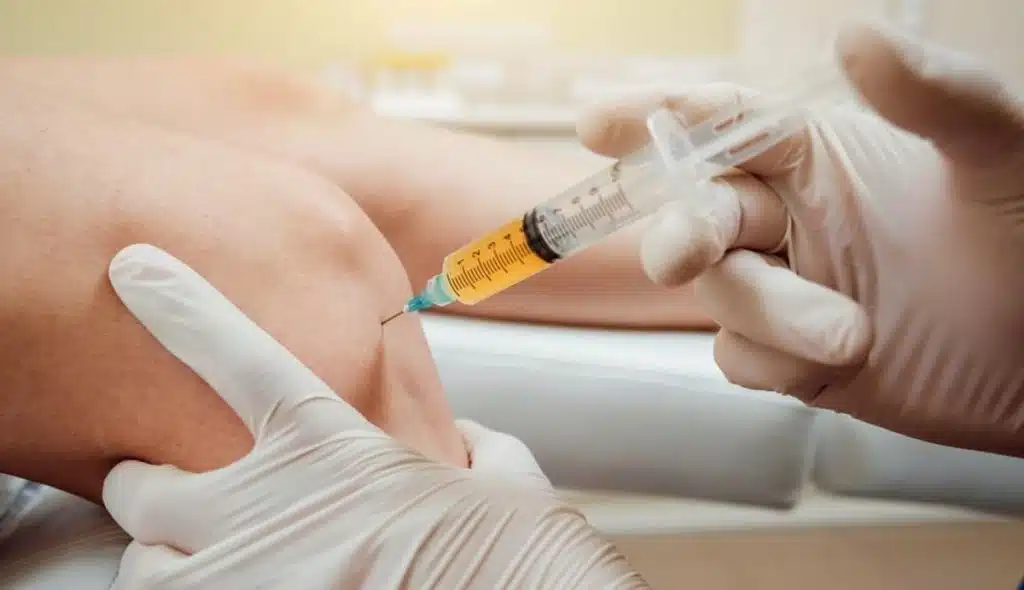
I saw Dr Al-Rashid for a painful hip in 2023. I was at a point where I had to use my hands to “lift” my leg into the car because the pain was too intense to just lift it on its own. He said that I was a candidate for PRP (platelet rich plasma) injections because I still have cartilage. Although they are not (yet) covered by insurance, it was an investment in my comfort that I am very happy with. It has been over a year, I have no pain whatsoever and can carry out my normal routine, and increased my exercise. I highly recommend Dr Al-Rashid and the Atlantis Orthopedic Group in Palm Beach Gardens.

Susan K.
2 years ago
Wonderful caring doctor.Effecient and kind staff

Jeff L.
2 years ago
My medical experience with Dr. AlRashid and his staff was sensational during my two total hip replacement surgeries. Their treatment and care is top-notch and I would highly recommend them for anyone who is looking for a professional and caring Orthopedics service!

miken
2 years ago
Always outstanding! He did my wife’s hip a little over a year ago and the follow up was great. I need two knee replacements and went to him to look at them. I will start with the first one end of this month. The staff follow through as been excellent. The best news is he does surgery at Palms West Hospital.

Md R.
2 years ago
I recently had the pleasure of being under the care of Dr. Al Rashid, and I can confidently say that my experience was nothing short of excellent. From the moment I walked into his office, I was greeted warmly by the staff, and the efficiency of the administrative process was impressive. Dr Al Rashid took time to listen attentively to my concerns and thoroughly explained the treatment options available to me. His dedication to providing personalized care was evident in every interaction I had with him. I wholeheartedly recommend Dr. Al Rashid to anyone in need of a skilled and compassionate Knee specialist.

Rodney E.
2 years ago
My first time to the office all staff were professional and nice, showed me that they really cared about me. Dr. Alrashid really impressed me after doing research on him he demonstrated professionalism, skill and knowledge just from our first meeting. I feel confident he will get me back to where I need to be.

Aiden
3 years ago
I had my right hip replaced by Dr. Rashid and he was excellent. The operation went smoothly. I didn't even feel the prosthetic when I woke up from surgery.
Before all of this he was very careful and helpful, explaining everything in detail from beginning to end, even tried a few treatments before jumping into an operation.
(injections/pills/scans etc)
He explained the pros and con very well. His staff is excellent in the Loxahatchee and Lake Worth office. I'm very happy I found him. My leg feels superior than my normal leg and it's only been three weeks. The incision was tiny, and after seeing him three weeks after the operation (today), the prosthetic is perfectly in place. I barely have any pain other than wound aches from the muscle incision, which of course is healing every single day.
I no longer feel any electrical surges on my leg, spasms, or the leg not waking up when I'm in a sitting position or sleeping. Literally feels perfect. I have nothing negative to say, would definitely recommend him to everybody. I like the fact that he was very detailed with everything from beginning to end.
He takes his job very seriously well being relatable and is not the type of doctor that jumps into an instant operation, unless absolutely needed, which is positive.
Before all of this he was very careful and helpful, explaining everything in detail from beginning to end, even tried a few treatments before jumping into an operation.
(injections/pills/scans etc)
He explained the pros and con very well. His staff is excellent in the Loxahatchee and Lake Worth office. I'm very happy I found him. My leg feels superior than my normal leg and it's only been three weeks. The incision was tiny, and after seeing him three weeks after the operation (today), the prosthetic is perfectly in place. I barely have any pain other than wound aches from the muscle incision, which of course is healing every single day.
I no longer feel any electrical surges on my leg, spasms, or the leg not waking up when I'm in a sitting position or sleeping. Literally feels perfect. I have nothing negative to say, would definitely recommend him to everybody. I like the fact that he was very detailed with everything from beginning to end.
He takes his job very seriously well being relatable and is not the type of doctor that jumps into an instant operation, unless absolutely needed, which is positive.